United States
Scuba diving in Miami
Dive charters12
Trips from$100 / person
Marine lifeshark, barracudas, goliath grouper
12 dive charters operate out of Miami, Key Biscayne, Miami (Brickell), with trips from $100 per person, covering sites like Biscayne National Park, Neptune Memorial Reef, ANDRO Wreck. Every listing is aggregated from the operator or their booking platform — compare here, then book at the source with no fees from us.


Diving in Miami
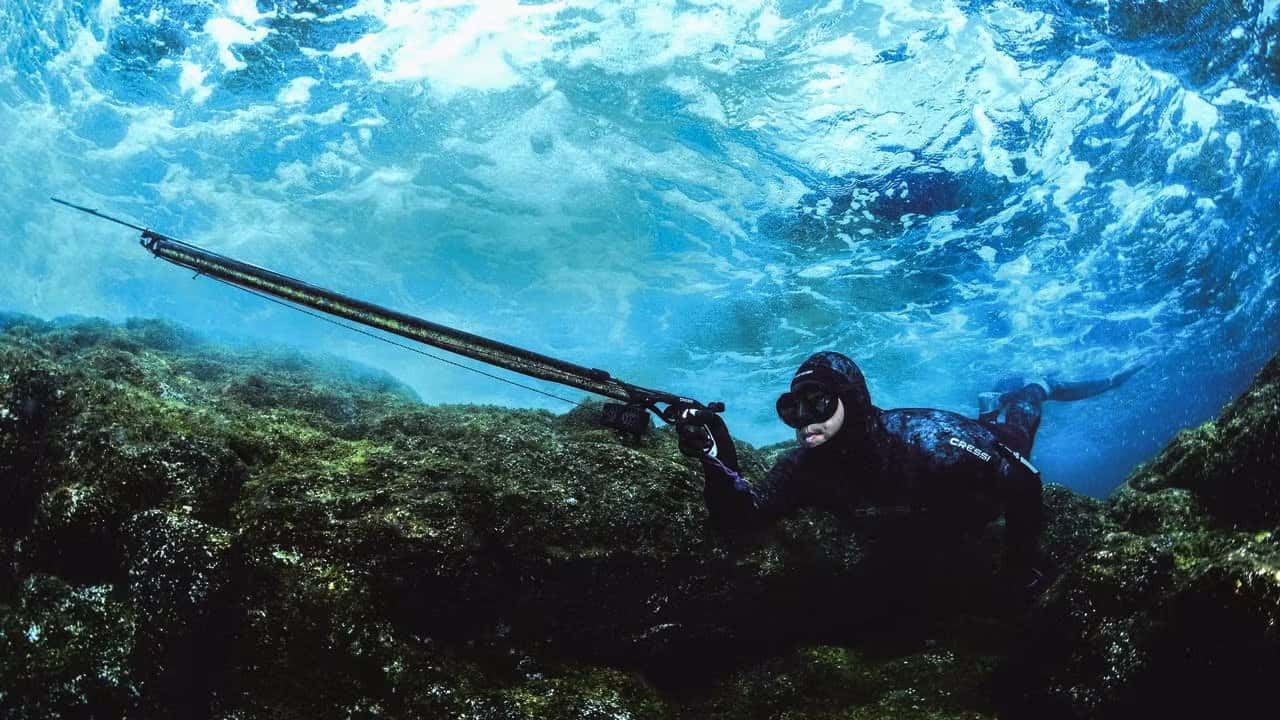
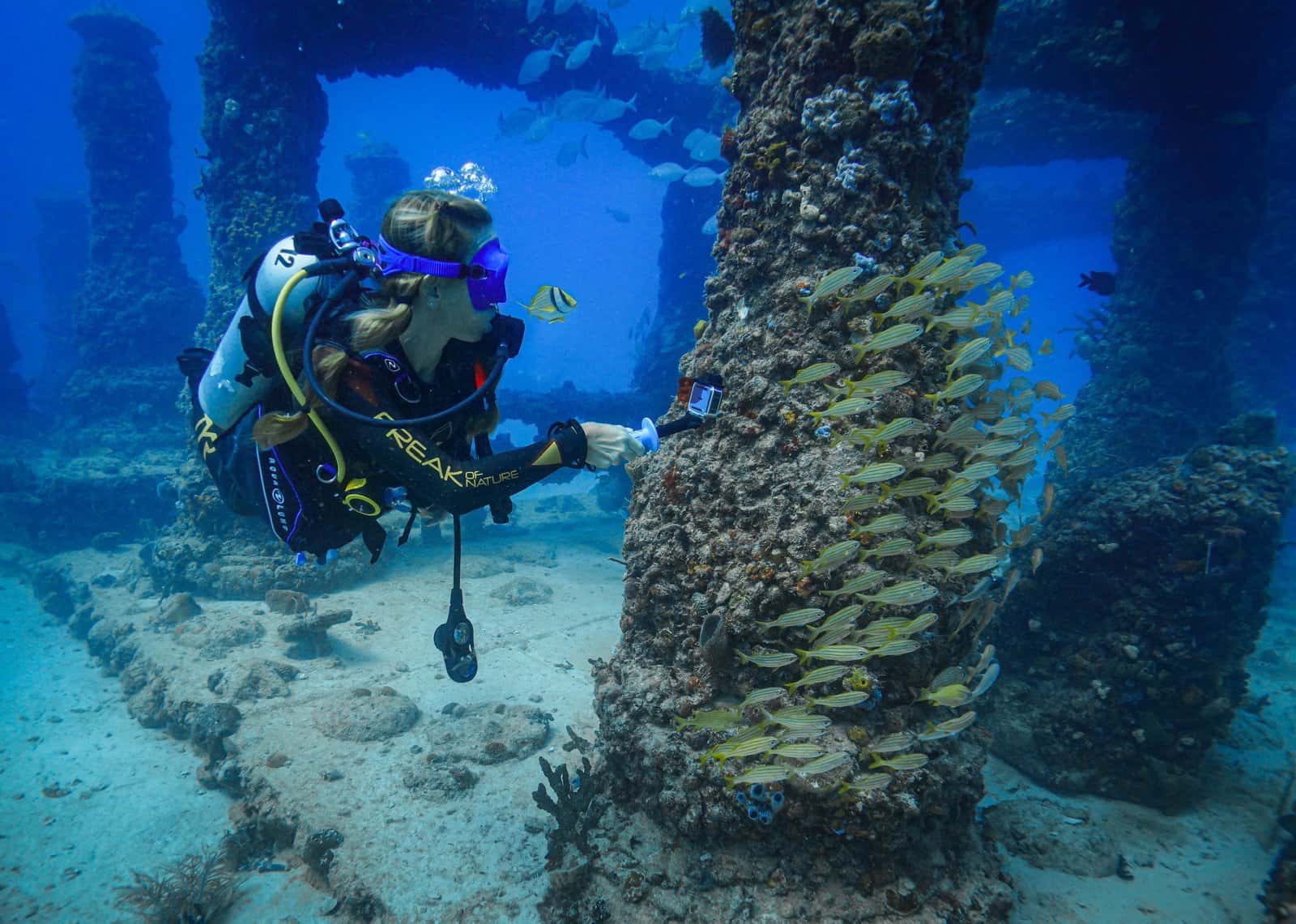
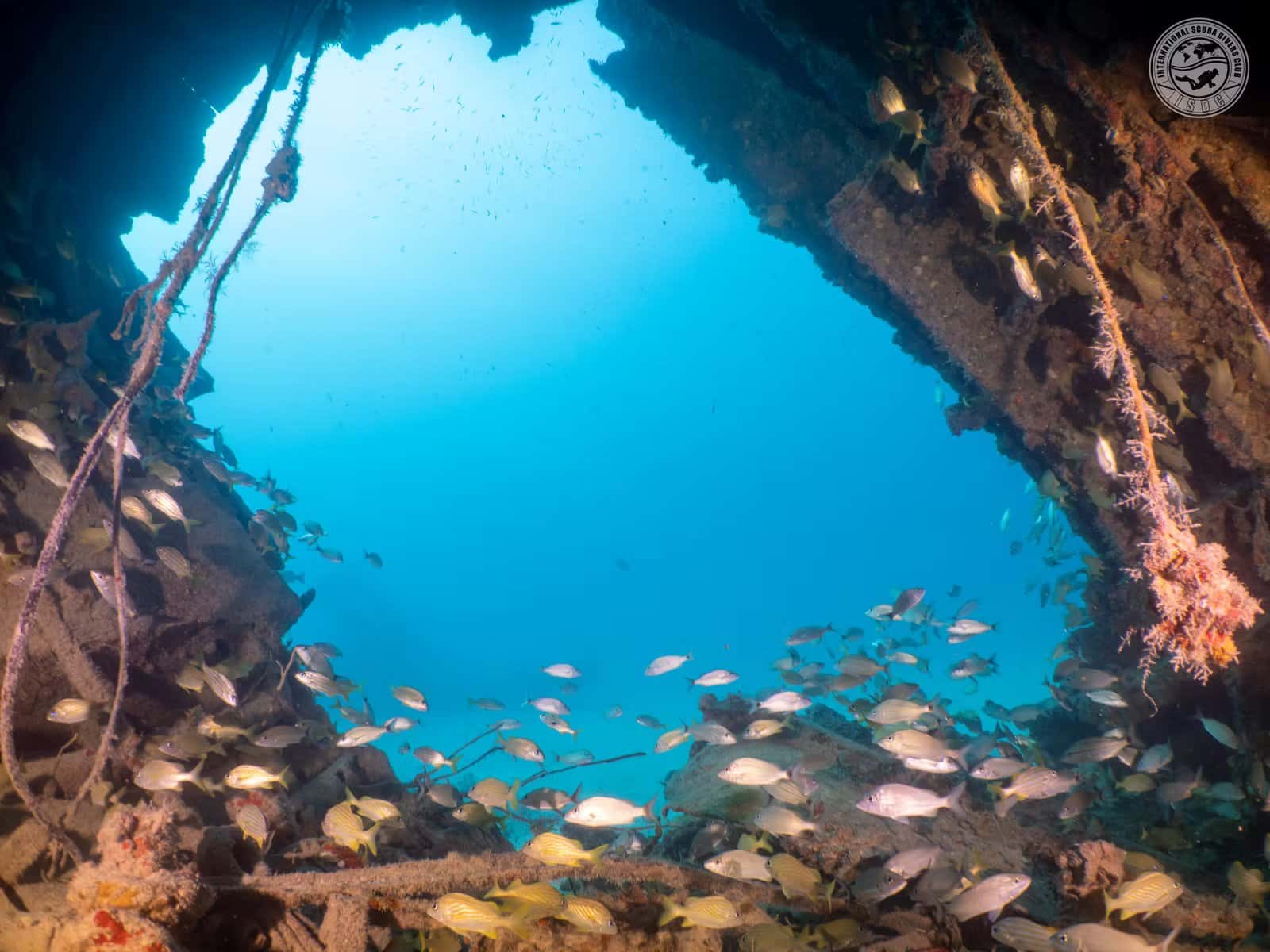
Miami pairs big-city convenience with one of the largest artificial reef programs in the United States. Since the early 1980s the county has sunk well over a hundred vessels and structures along the coast, so a typical two-tank trip here means a wreck in the 60–130 ft range followed by a shallower reef or a second, more intact hull. The natural reef line runs in tiers a few miles offshore, and because the Gulf Stream passes close by, most boat dives are relaxed drifts in a steady one-knot current with the boat following your bubbles.
Conditions and season
Diving runs year-round. Summer brings the warmest water — mid-80s °F and often the best visibility, commonly 60 ft or more on the outer wrecks — while winter cold fronts drop the water into the low-to-mid 70s and can blow out a day or two at a time. A 3 mm wetsuit covers most of the year; many locals go skin in August and add a 5 mm in January. Currents are usually mild-to-moderate drifts rather than anything athletic, which makes Miami a comfortable step up for newer divers working toward deeper wrecks.
What diving here looks like
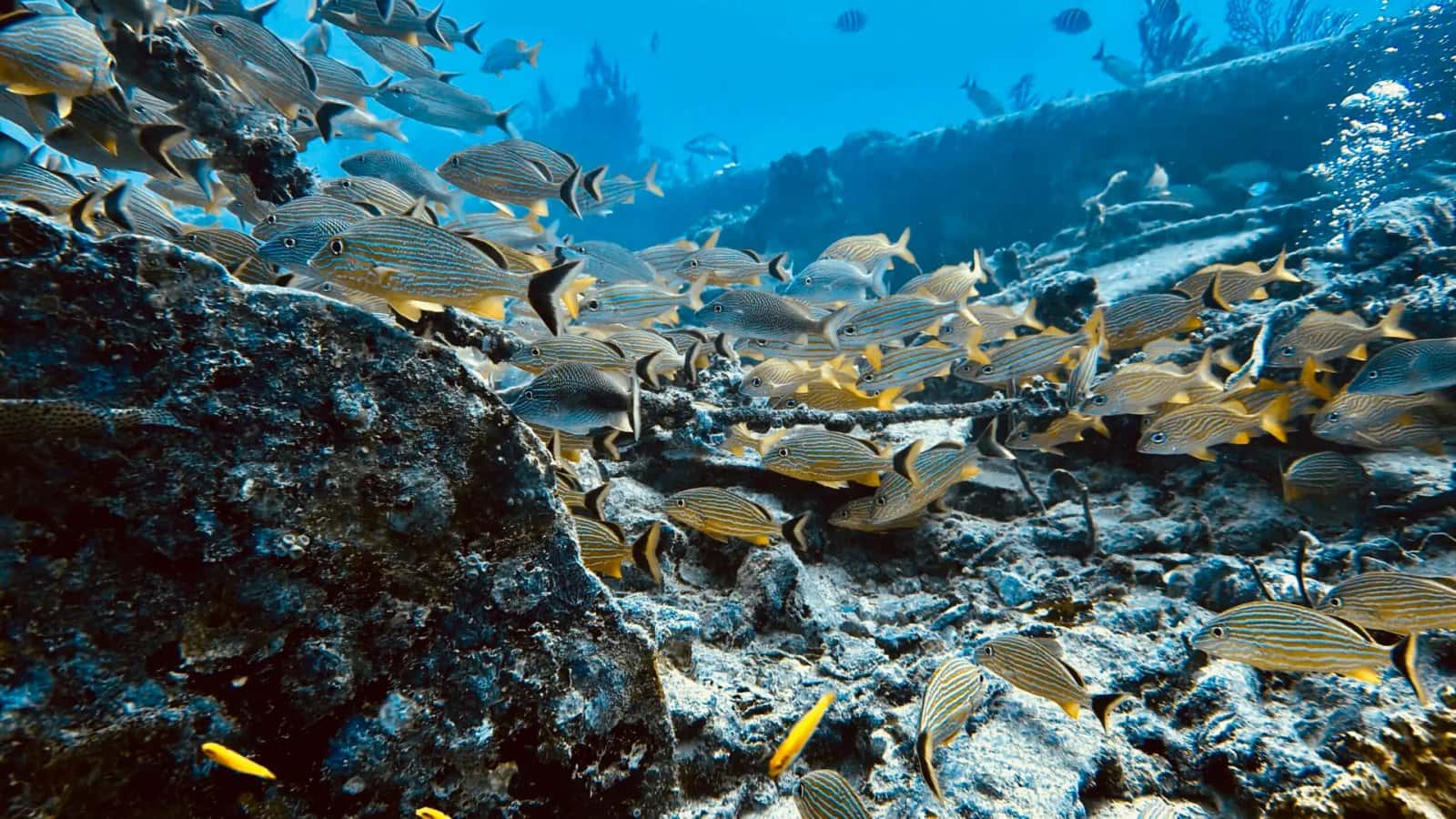
The shallow patch reefs and second-reef ledges in 20–45 ft suit Open Water divers and refresher trips, with the usual South Florida cast: schooling grunts and porkfish, green morays, nurse sharks, and hawksbill turtles. The deeper artificial reefs — freighters, tugs, and barge clusters — sit mostly in Advanced Open Water territory and have had decades to grow coral and sponge cover. Goliath grouper the size of doorways are a regular sight on the bigger hulls. South of the city, Key Biscayne and the edge of Biscayne National Park add mooring-ball reef sites when the wind allows.
Good to know
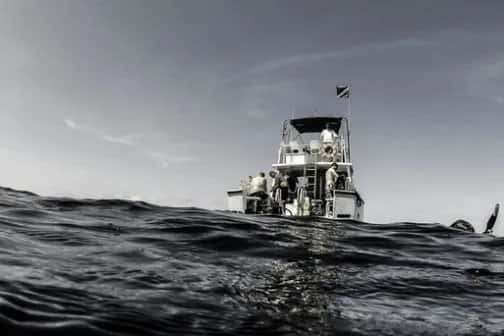
Most charters depart from marinas on the MacArthur Causeway, Key Biscayne, or Haulover, and runs to the sites are short — often 20–30 minutes. Afternoon summer storms are routine, so morning boats are the safer booking. If you want a specific wreck, check the trip's listed sites before booking; operators rotate through dozens of them.
Dive sites in Miami
Biscayne National Park Neptune Memorial Reef ANDRO Wreck artificial reefs Betek-Ar-Pen Blue Heron Bridge C-ONE Wreck Trek Conception Cruz del Sur DANTOR Wreck Deep Freeze Donald McAllister Eben-Ezer-II Emerald Reef
Marine life you might see
shark barracudas goliath grouper groupers hogfish jacks lionfish lobster mackerel snappers turtle