
Honduras
Scuba diving in Roatan
Dive charters14
Trips from$35 / tank
Marine lifesea turtles, rays, fish
14 dive charters operate out of Roatan, Roatán, Sandy Bay, with trips from $35 per tank, covering sites like El Aguila, The Odyssey, West End Wall. Every listing is aggregated from the operator or their booking platform — compare here, then book at the source with no fees from us.
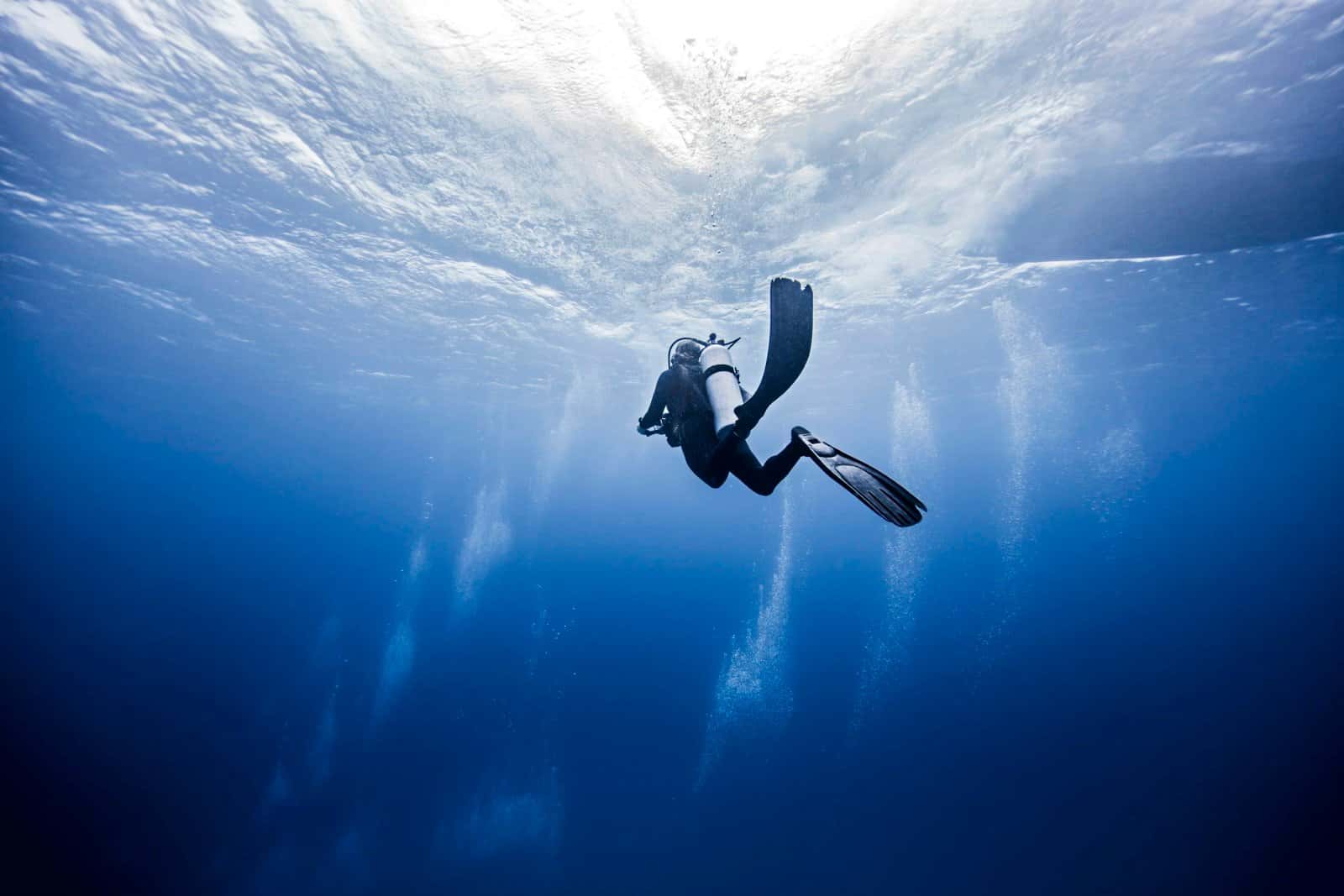
Diving in Roatan
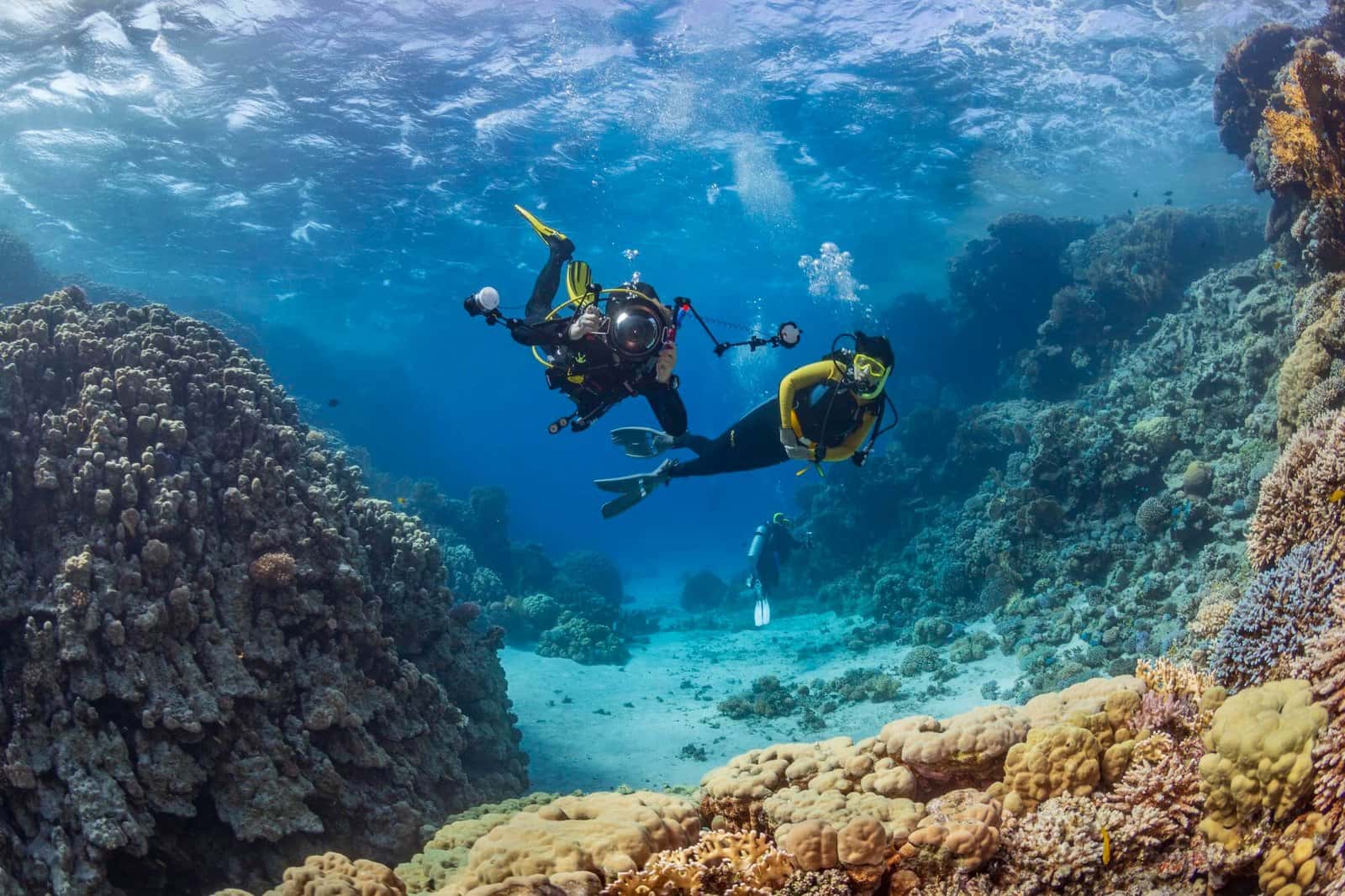
Scuba diving in Roatan means warm, clear Caribbean water, dramatic walls a few minutes from shore, and some of the best-value diving in the region. The largest of Honduras's Bay Islands sits on the southern end of the Mesoamerican Barrier Reef, and its sheltered west end is lined with shops running short boat rides to mooring-ball sites inside the Roatan Marine Park. It's a place where new divers can certify cheaply and experienced divers can log two or three dives a day for a week without repeating a site.
The signature dives
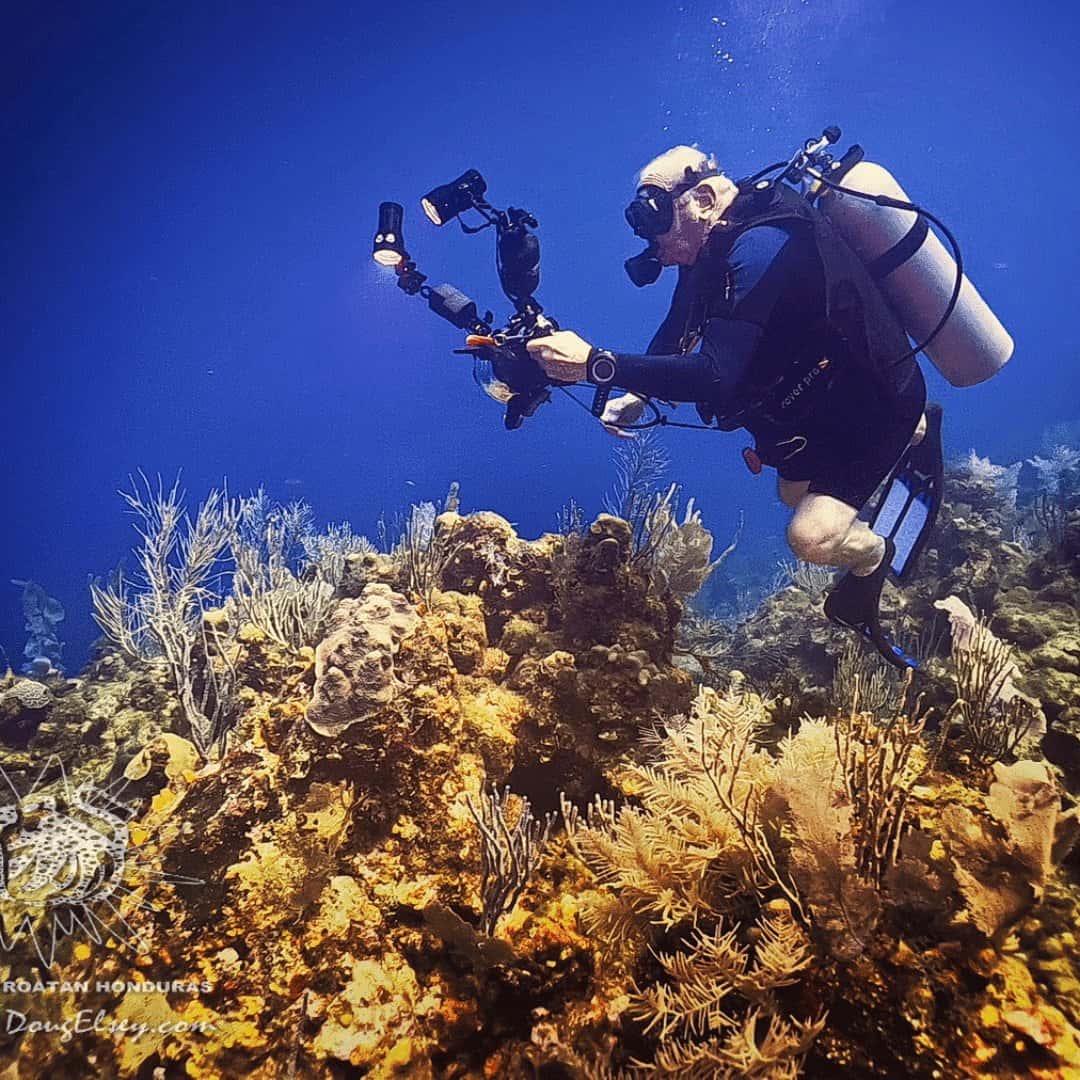
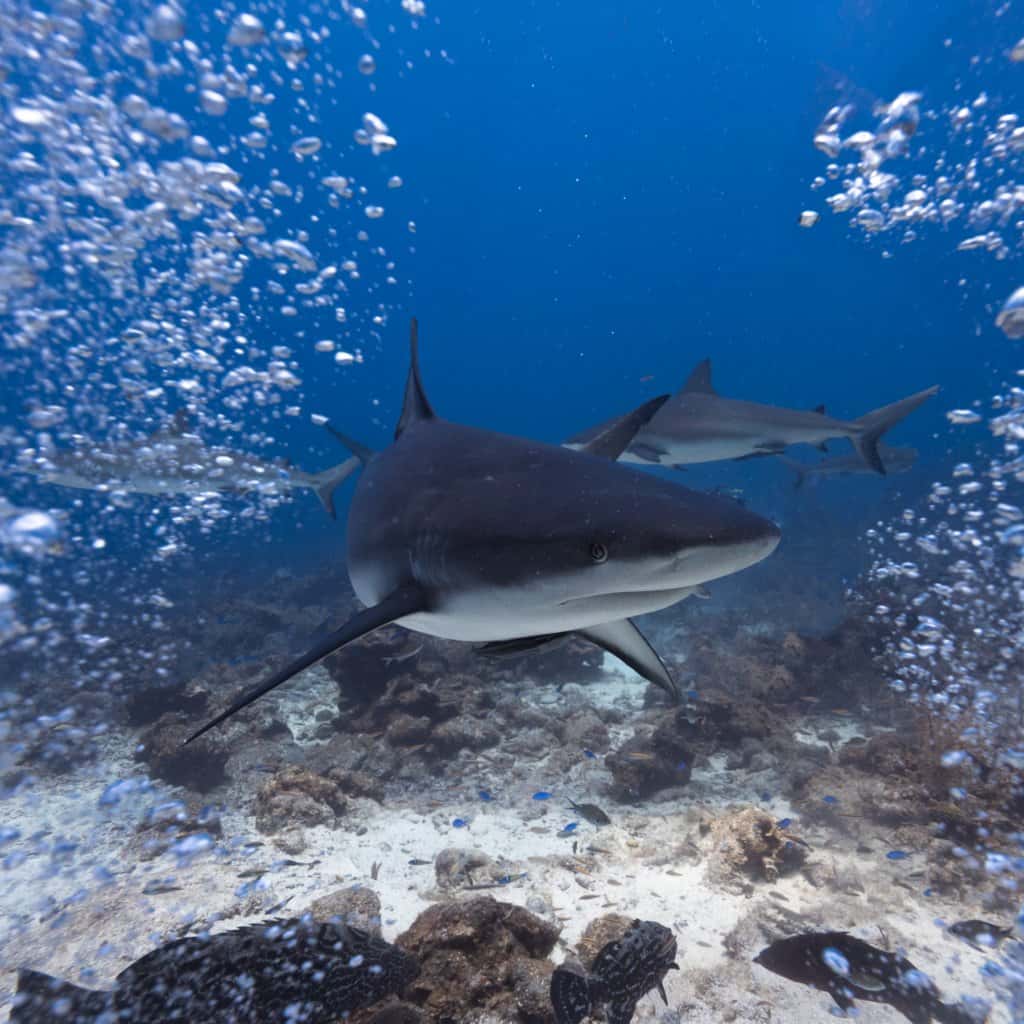
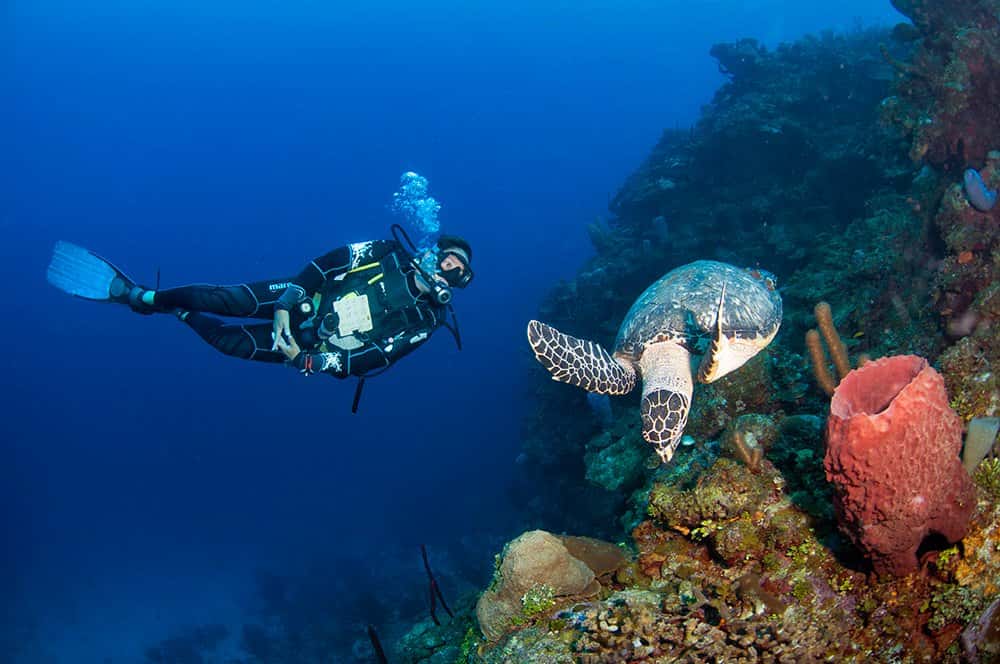
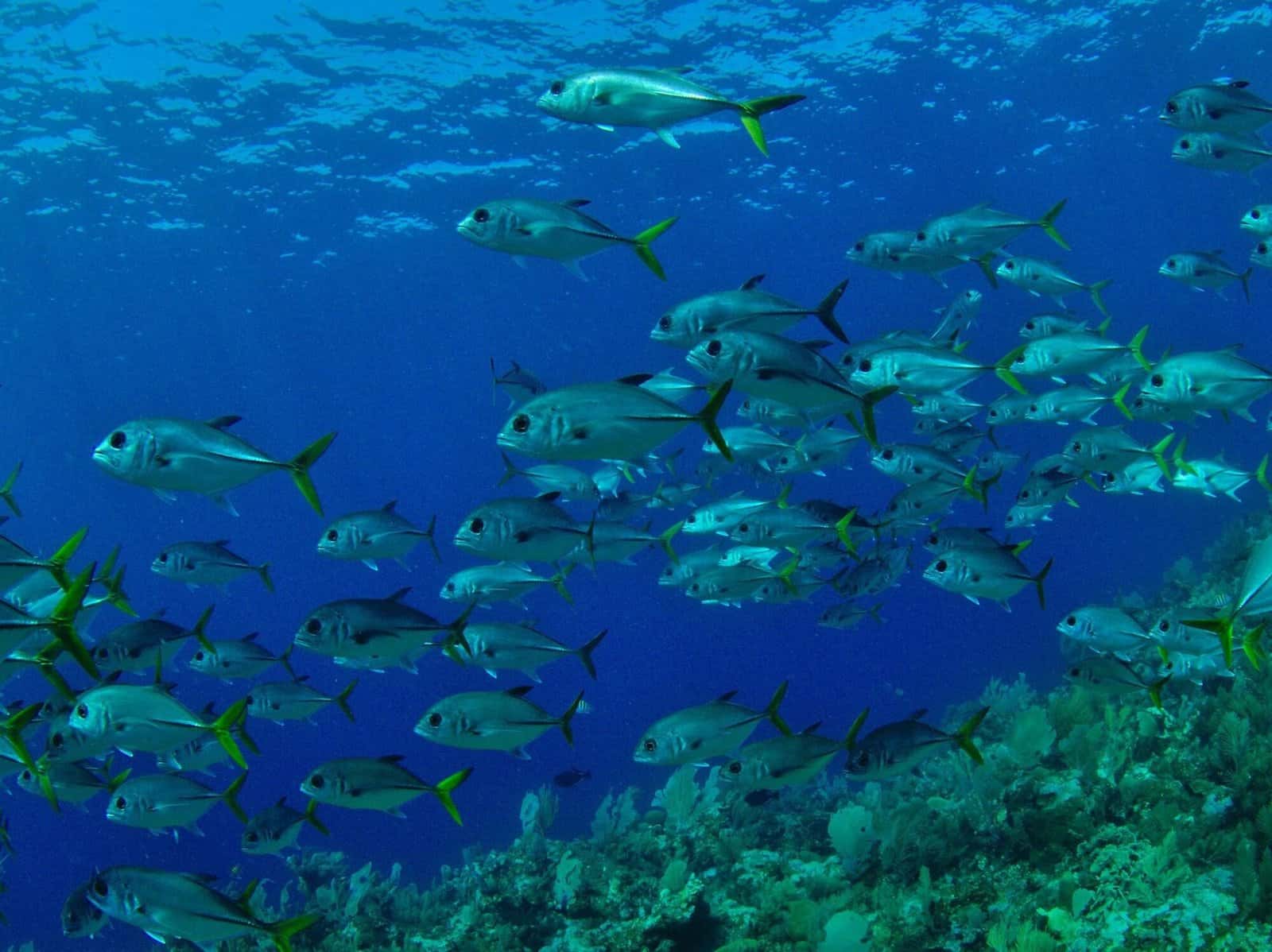
Mary's Place, on the south side, is the island's most famous dive: a series of deep volcanic cracks and crevices you swim through, their walls thick with sponges, black coral, and schooling fish. West End Wall is a classic drift along a sheer drop where eagle rays, turtles, and the occasional reef shark pass in the blue. Half Moon Bay Wall, right off the West End beach, is the easy go-to — a shallow sand patch rolling into a coral-covered wall, good for checkout dives and night dives alike. El Aguila, a cargo ship sunk as an artificial reef in the late 1990s and later broken into sections by Hurricane Mitch, sits in roughly 100–110 ft and is home to large groupers and green morays. Dedicated shark trips to deeper sites on the south side offer close encounters with Caribbean reef sharks for Advanced divers.
Conditions and season
Water runs from the upper 70s °F in winter to the mid-80s in late summer, so a 3 mm suit is plenty for most people. Visibility typically sits in the 60–100 ft range. The drier months, roughly February through August, bring the calmest seas; late fall and early winter can bring rain and northerly winds that chop up the north shore, but the west end usually stays diveable. Hurricane season runs June through November, although direct hits on the island are historically uncommon.
Good to know
- Most diving is by boat from West End and West Bay, with rides of 5–15 minutes; Half Moon Bay can be done from shore.
- The Roatan Marine Park asks divers to buy a marine park tag or pay a reef fee, which supports patrols and mooring maintenance — shops will tell you the current amount.
- Currents are generally mild on the west end, but south-side walls can run faster; drift dives are common.
- Invasive lionfish are culled here, and you may see divers carrying spears — only certified cullers may do so.
Who it suits: everyone. Roatan is one of the Caribbean's most popular places to learn, and the walls and wrecks give certified divers plenty of depth and variety.
Dive sites in Roatan
El Aguila The Odyssey West End Wall Blue Channel Cayos Cochinos El Aguila wreck French Cay Cut Guanaja Little French Cay Mary's Place Mary’s Place Meso-American Reef Mesoamerican Reef Mr. Bud Wreck
Marine life you might see
sea turtles rays fish moray eel angel-fish angelfish barracuda black coral black grouper Caribbean reef sharks coral reefs damselfish


