United States
Scuba diving in Pensacola
Dive charters5
Trips from$125 / person
Marine lifelionfish, amberjack, barracuda
5 dive charters operate in Pensacola, with trips from $125 per person, covering sites like USS Oriskany, Pete Tide II, Joe Patti Barge. Every listing is aggregated from the operator or their booking platform — compare here, then book at the source with no fees from us.
Diving in Pensacola
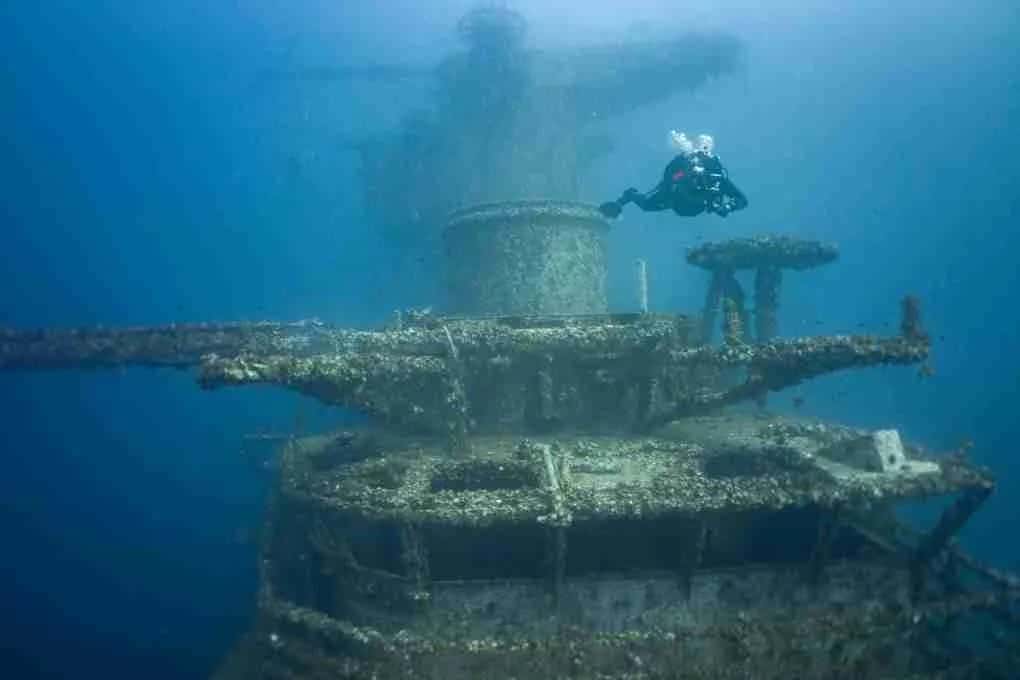
Pensacola is the home port for the largest artificial reef on Earth: the USS Oriskany, a 911 ft aircraft carrier sunk in 2006 about 22 miles offshore. The "Mighty O" alone puts this corner of the Florida Panhandle on the world wreck-diving map, but the surrounding Gulf holds a deep bench of other hulls — tugs, barges, and freighters at recreational depths — plus bridge rubble and reef modules that have turned the sand into fish habitat.
The Oriskany and the wreck fleet
The carrier sits upright in deep water with her island superstructure beginning around 80 ft and the flight deck near 145 ft, which makes her an Advanced Open Water dive at the top and a technical playground below. Amberjack swarm the tower, and the scale of the thing — a warship longer than three football fields — is unlike anything else in recreational diving. Closer to shore, favorites like the San Pablo (the "Russian Freighter") and the Pete Tide II tug sit in the 70–100 ft range and suit divers stepping up from reef depths.
Conditions and season
The northern Gulf is more seasonal than South Florida. Summer through early fall is prime: water in the low-to-mid 80s °F and blue-water days when visibility on the offshore wrecks stretches past 60 ft. Winter cools the Gulf into the 60s with rougher seas and fewer boats running; locals switch to thicker suits or sit it out. Visibility varies with wind and river outflow, so offshore sites are usually clearer than the nearshore ones.
Good to know
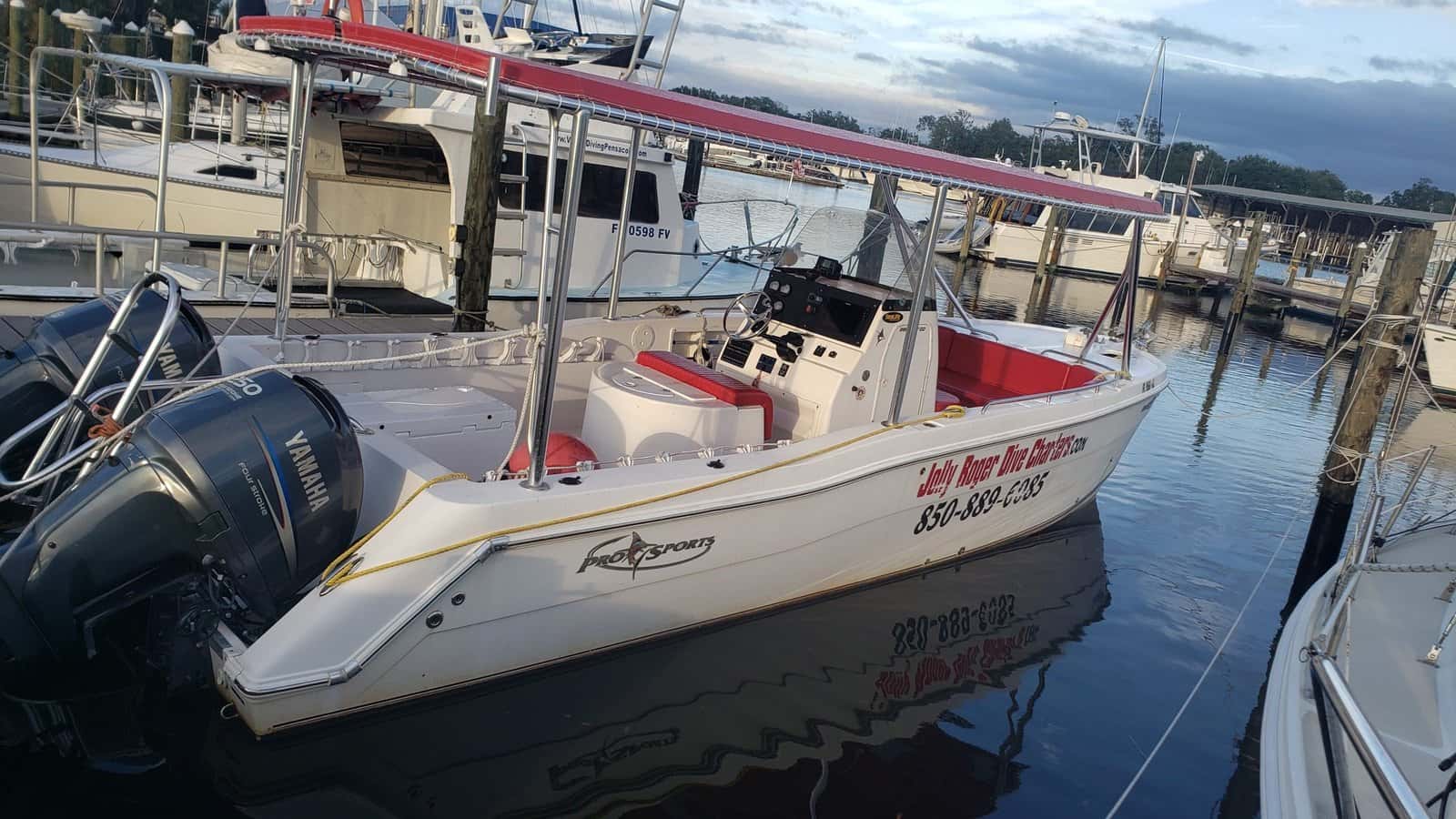
Wreck trips run from marinas around Pensacola Bay, with the Oriskany typically offered as a dedicated two-tank trip on good-weather days — book it early in your stay so weather has room to cooperate. Spearfishing is a big part of the local culture, and many charters cater to both hunters and sightseers; say which you are when you book.
Dive sites in Pensacola
USS Oriskany Pete Tide II Joe Patti Barge Three Coal Barges 3 Coal Barge Avocet Avocet wreck Brass Wreck Bridge Rubble Chevron Rig Double Patti Joe Patti Memorial Reef Liberty Ship Liberty Ship Joseph L. Meek
Marine life you might see
lionfish amberjack barracuda spadefish tiger shark