United States
Scuba diving in Austin
Dive charters2
2 dive charters operate in Austin, covering sites like Lake Travis, Lake Travis Mansfield Dam, Lake Travis Windy Point. Every listing is aggregated from the operator or their booking platform — compare here, then book at the source with no fees from us.
Diving in Austin
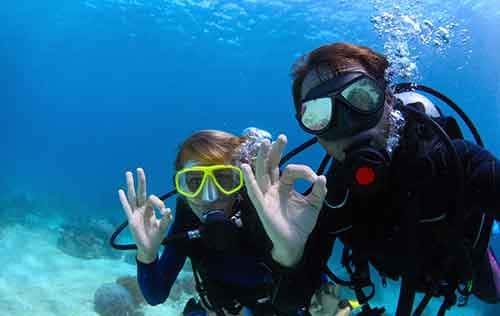
Austin is Texas' freshwater dive hub — a training and travel scene built around Hill Country lakes and one of the clearest spring systems in the state. Nobody comes here for coral, but thousands of Texans learn to dive here every year, keep skills sharp between trips, and log genuinely interesting freshwater dives while they're at it.
The signature dives
Lake Travis is the workhorse: Windy Point and Mansfield Dam Park serve tiered training platforms, sunken boats and props, and enough depth to run everything from Open Water checkouts to deep and night specialties. The regional gem is Spring Lake in nearby San Marcos — a spring-fed, glass-clear archaeological site where diving happens through a managed program, prized for visibility that embarrasses the lakes. Local shops round out the calendar with courses, gear service, and group travel to the Gulf's Flower Garden Banks and the Caribbean.
Conditions and season
Central Texas lakes are warm-season diving at their best: surface temperatures reach the low 80s °F in late summer and drop to the 50s in winter, with thermoclines making a 5–7 mm suit (or drysuit in winter) the smart call below the surface layer. Lake Travis visibility is honest freshwater — 5–15 ft typically, better in winter and early spring before boat season stirs things up. Spring Lake stays clear and near-constant temperature year-round.
Good to know
No certification is needed to start — try-dives and Open Water courses run continuously, and Austin's lakes are where the checkout dives happen. Certified divers should bring proof of cert and expect platform-style sites rather than natural reef. Summer weekends are busy at Windy Point; mornings dive better. If you have one special dive to spend here, arrange the Spring Lake program in San Marcos — it books out and is worth the planning.
Dive sites in Austin
Lake Travis Lake Travis Mansfield Dam Lake Travis Windy Point Mansfield Dam Park Spring Lake The Meadows Center