
Mexico
Scuba diving in Tulum
Dive charters14
Trips from$100 / person
Marine lifebull shark, turtle, rays
14 dive charters operate out of Tulum, Playa del Carmen & Tulum, Tulum / Playa del Carmen, with trips from $100 per person, covering sites like Casa Cenote, Dos Ojos, Angelita. Every listing is aggregated from the operator or their booking platform — compare here, then book at the source with no fees from us.
Diving in Tulum
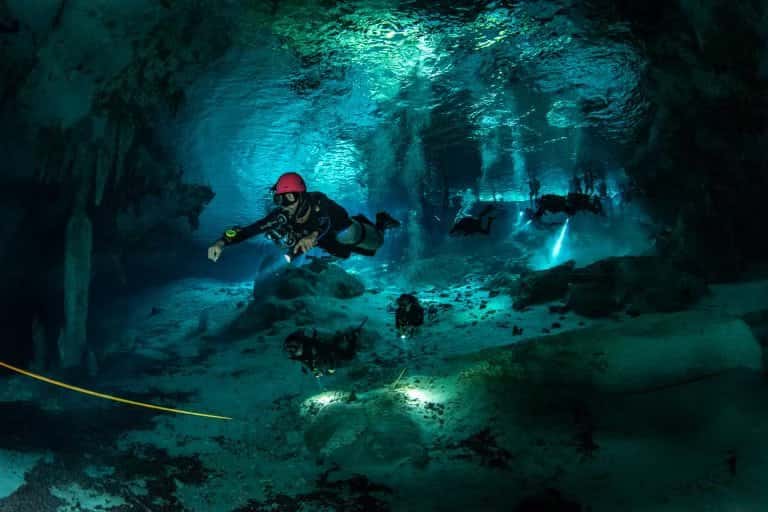
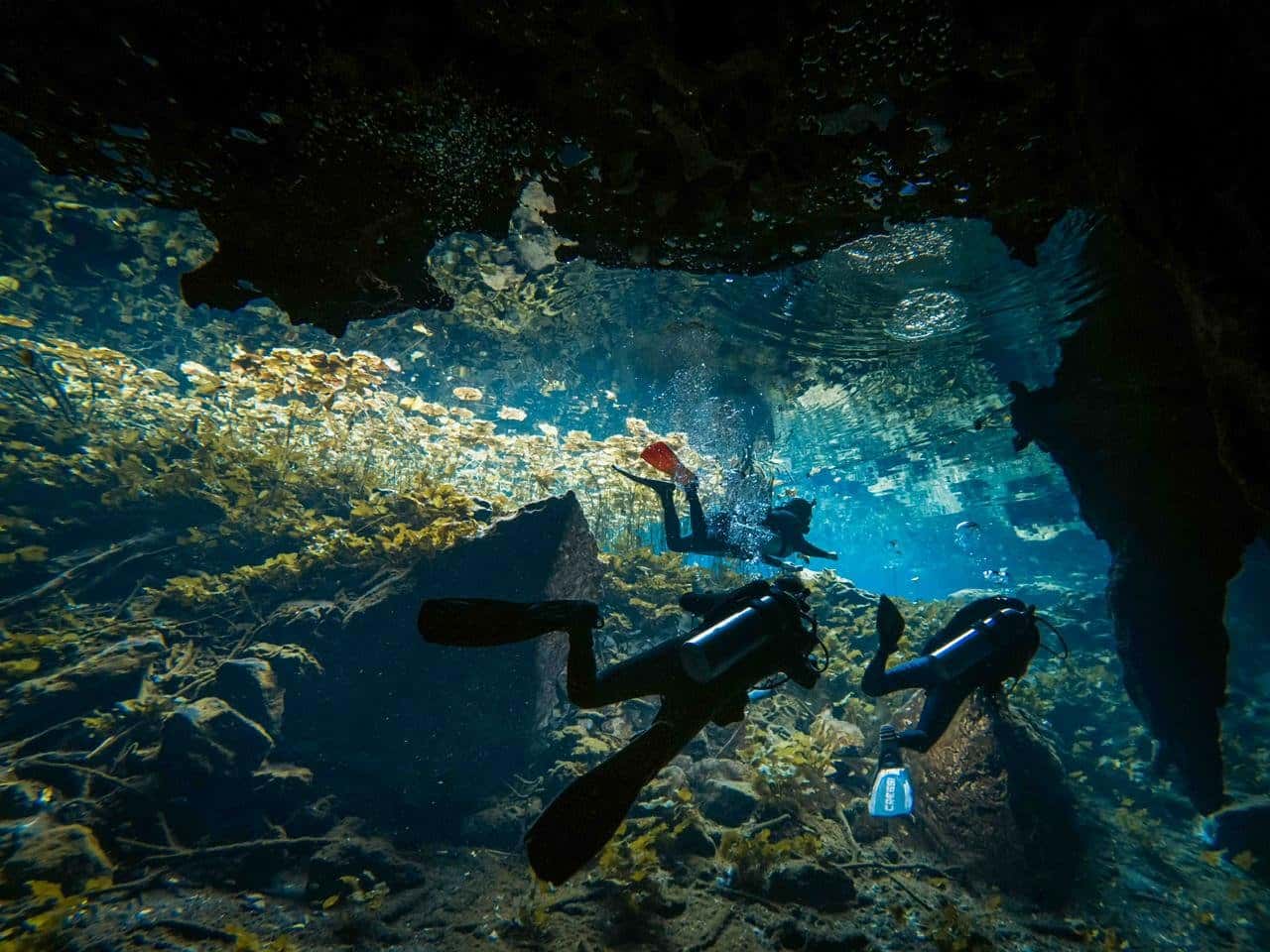
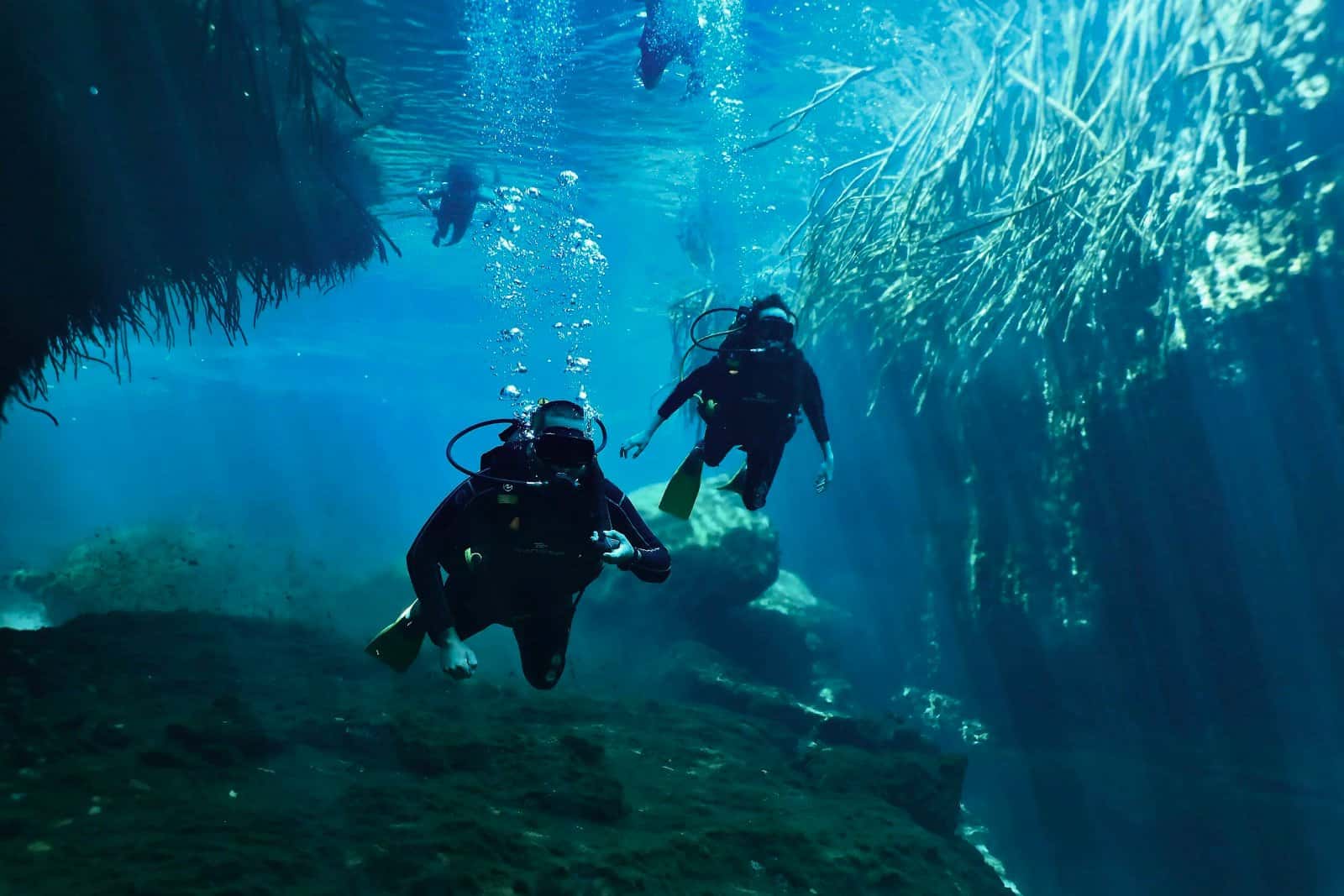
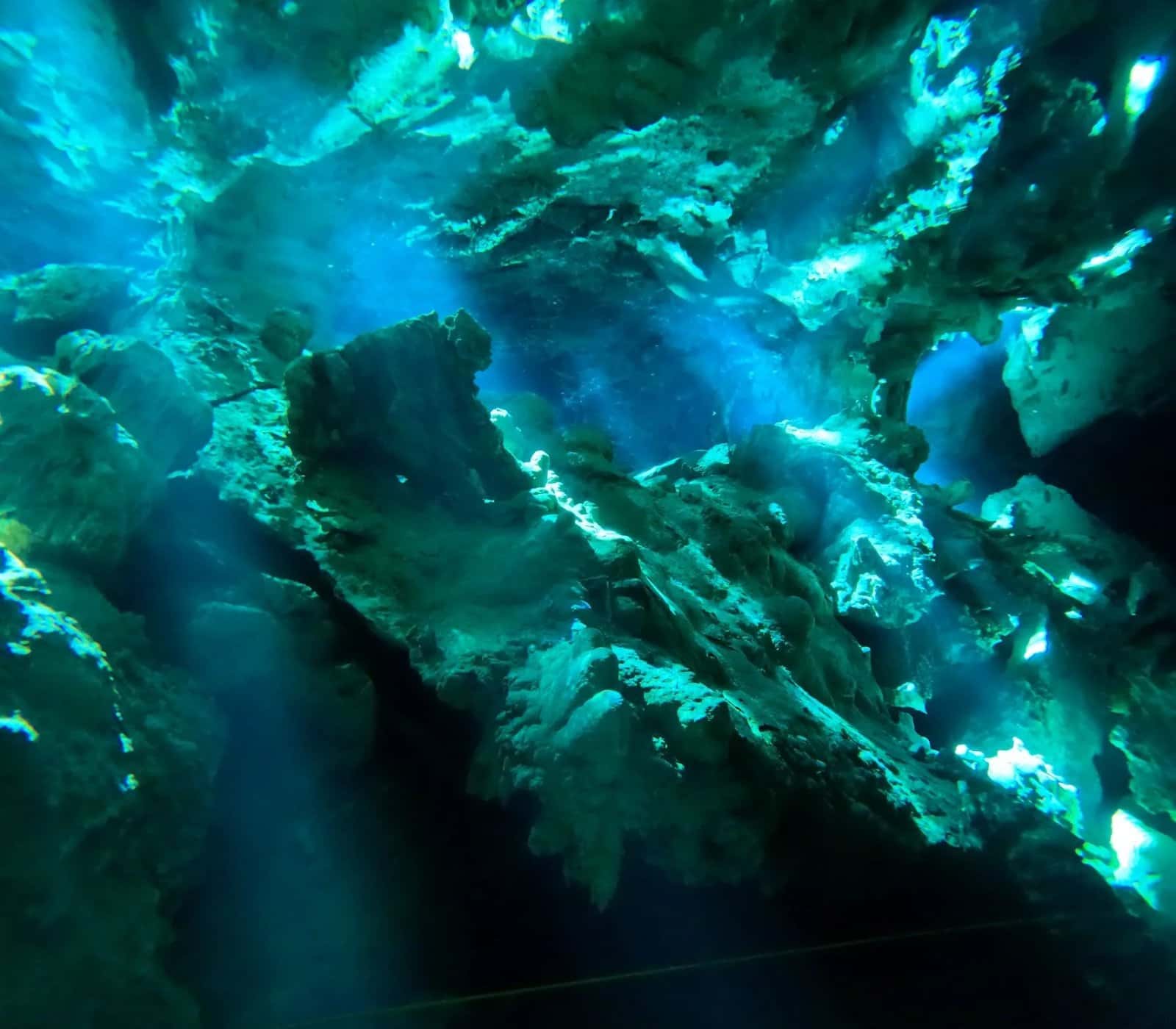
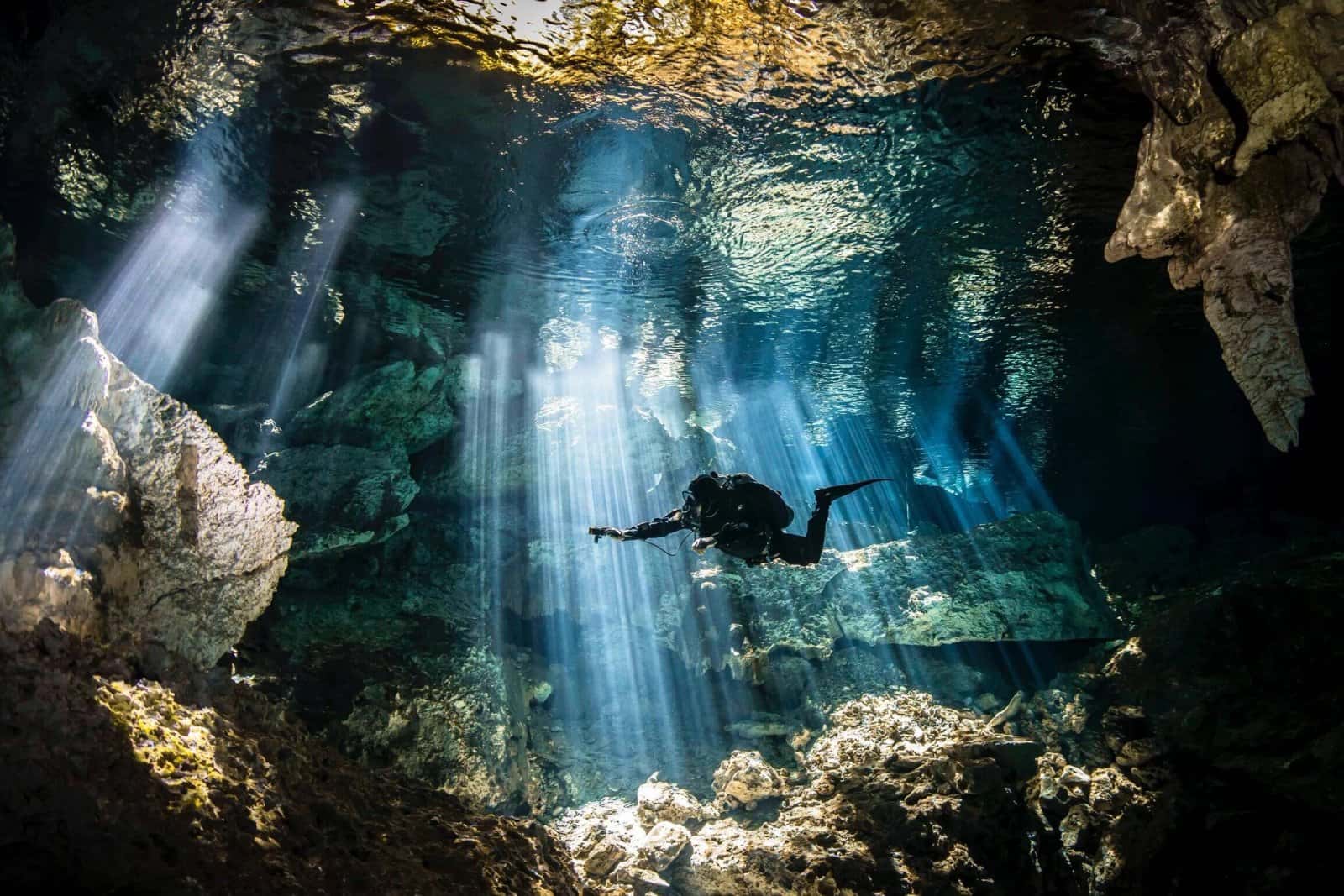
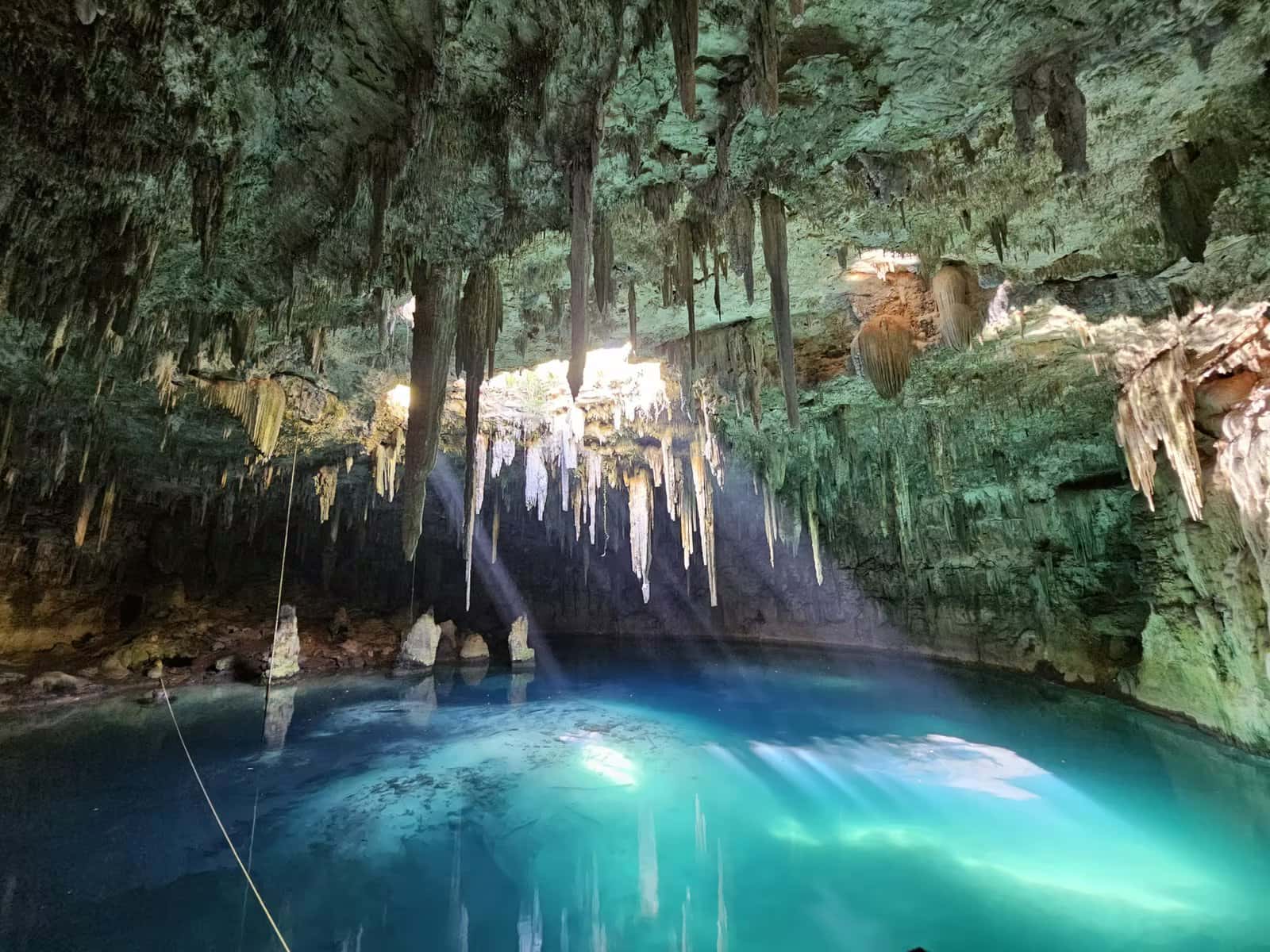
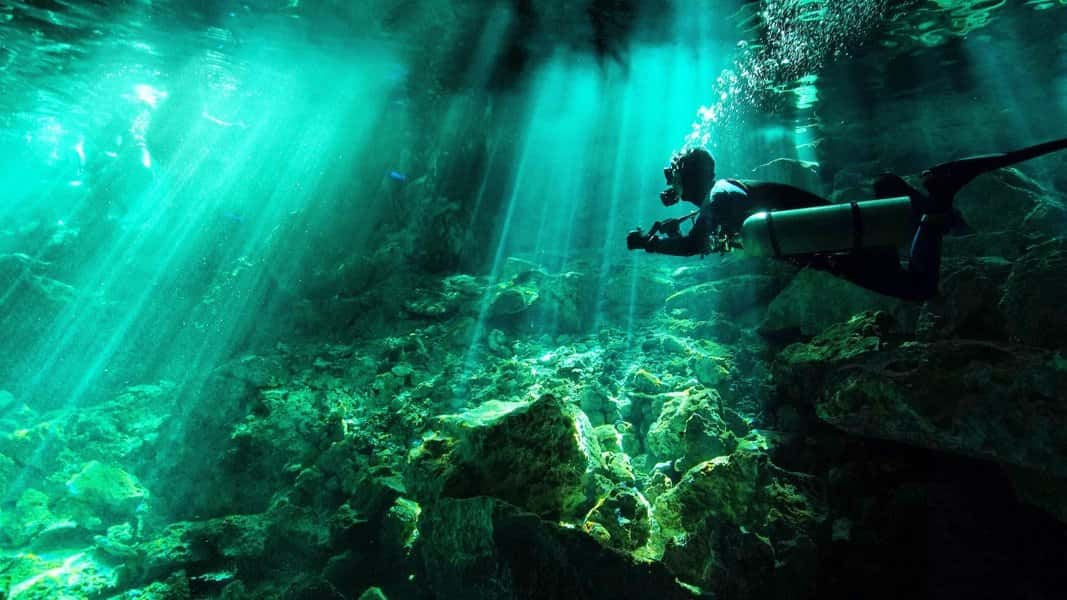
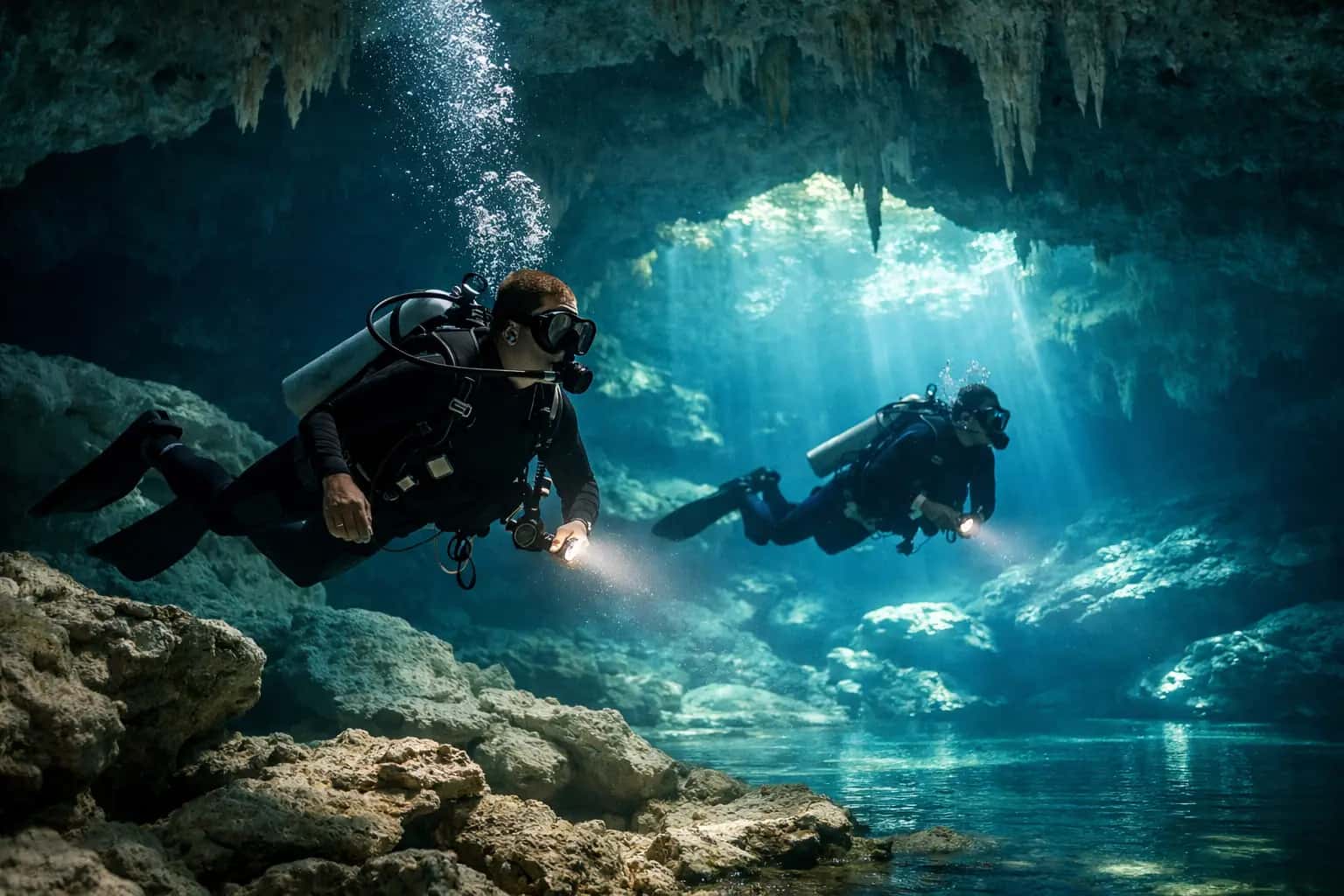
Cenote diving in Tulum is unlike anything else in the world: crystal-clear freshwater caverns carved into the Yucatan's limestone, filled with stalactites, halocline shimmer, and beams of sunlight that cut through the dark. Tulum sits on some of the longest underwater cave systems known, and dozens of cenotes within a short drive make it the global capital of cavern and cave diving.
The signature dives
Dos Ojos, north of Tulum, is the classic introduction: two linked cenotes with two guided cavern routes, one lit by sunlight through the openings and the other darker, through a chamber of formations. The Pit, in the same system, is a deep open shaft where divers descend through sunbeams to a halocline and a hydrogen sulfide cloud around 100 ft — an Advanced dive. Gran Cenote, just outside town, is shallow, bright, and full of formations, with turtles in the open pool. Angelita, south of Tulum, has a famous "underwater river" effect, where a hydrogen sulfide layer hangs over the tops of submerged trees at depth. Casa Cenote, near the coast, is an open, mangrove-lined channel where fresh and salt water mix — an easy dive with fish and sometimes a resident crocodile.
Cavern vs. cave
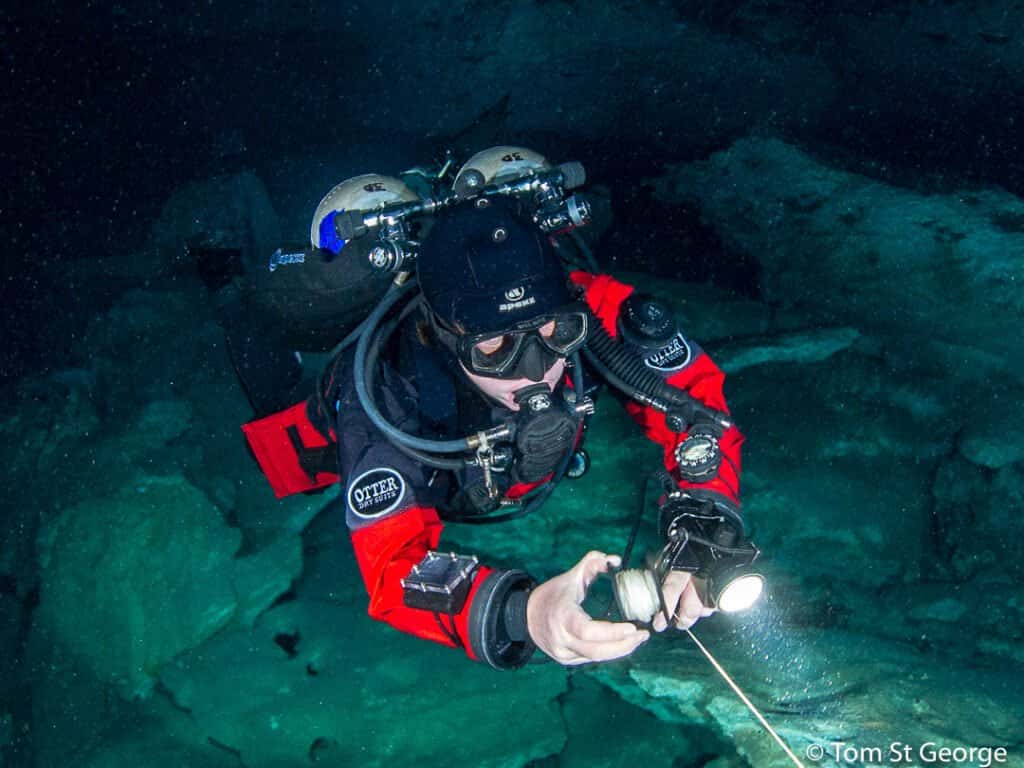
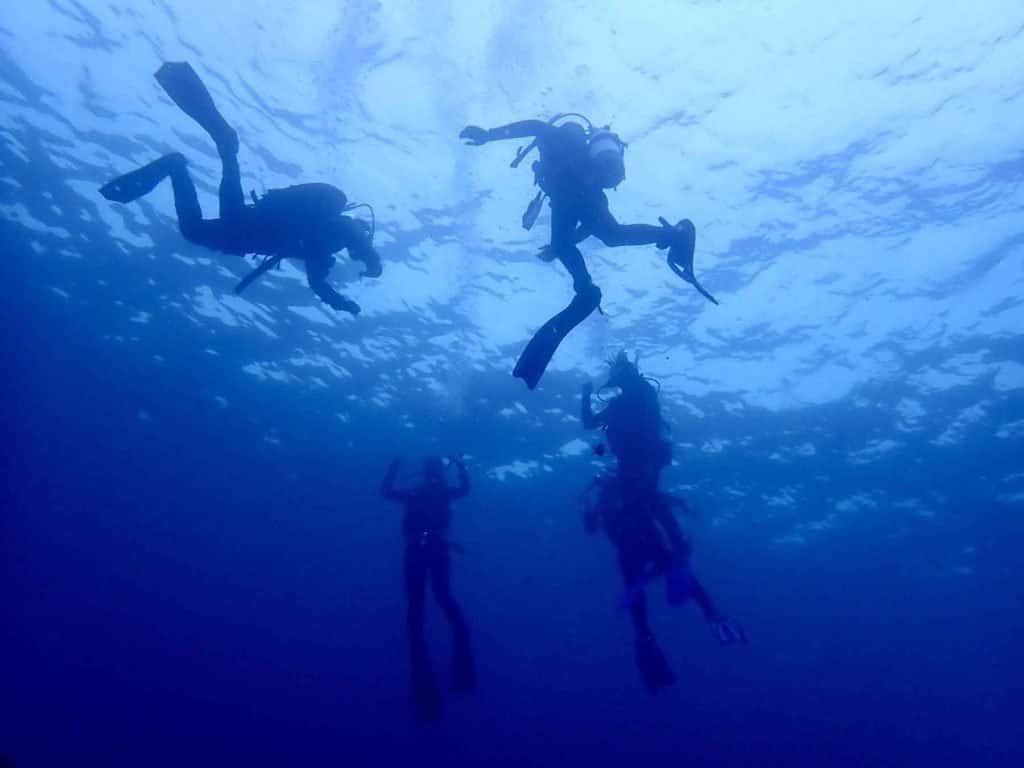
This is the most important thing to understand before you go. Cavern diving stays within the daylight zone, never beyond a set distance from the surface, and is open to certified Open Water divers when guided by a certified cavern guide, usually with strict group sizes. Cave diving goes beyond natural light into overhead environments and requires full cave certification — never go beyond the cavern zone without it. Buoyancy and trim matter here; kicking silt or touching formations destroys visibility and damages the cave for everyone.
Conditions and season
Cenote water is a steady 75–77 °F year-round, and most divers wear a 5 mm suit because you're not moving much. Visibility is often more than 100 ft in the freshwater zones. Sunbeams are strongest around midday on sunny days, and the rainy season, roughly June to October, can bring clouds but rarely affects the dives themselves.
Good to know
- Each cenote charges its own entrance fee, often in cash, set by the landowners or community that manages it.
- Sunscreen and insect repellent are usually not allowed before entering the water, to protect the ecosystem.
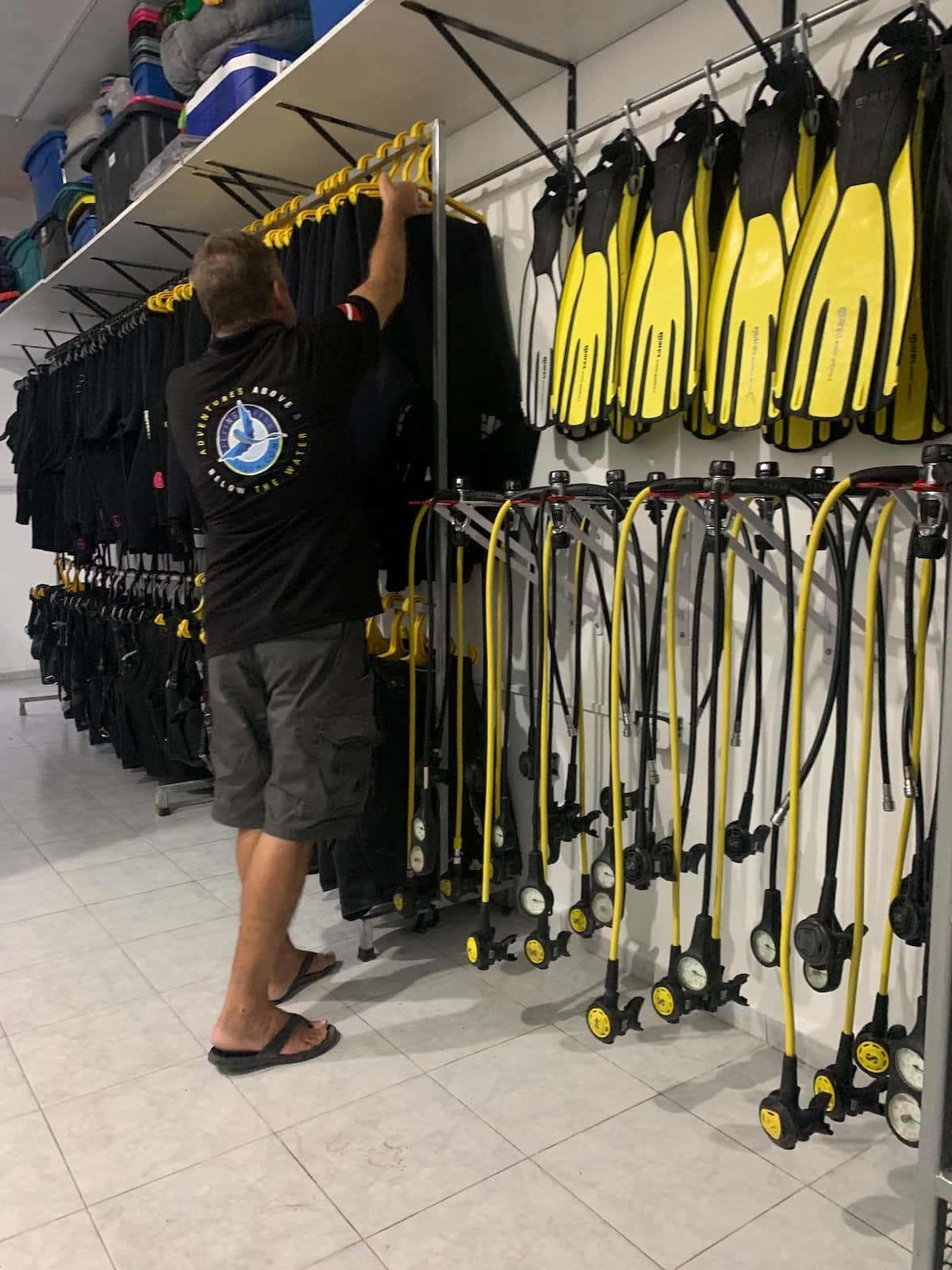
- Many cenotes require you to carry gear down stairs or along trails, and some have strict opening hours.
- Tulum's ocean diving is limited compared with the cenotes; Akumal, Playa del Carmen, and Cozumel offer reef diving nearby.
Who it suits: any certified diver with good buoyancy for cavern dives, and trained cave divers looking for world-class penetration dives.
Dive sites in Tulum
Marine life you might see
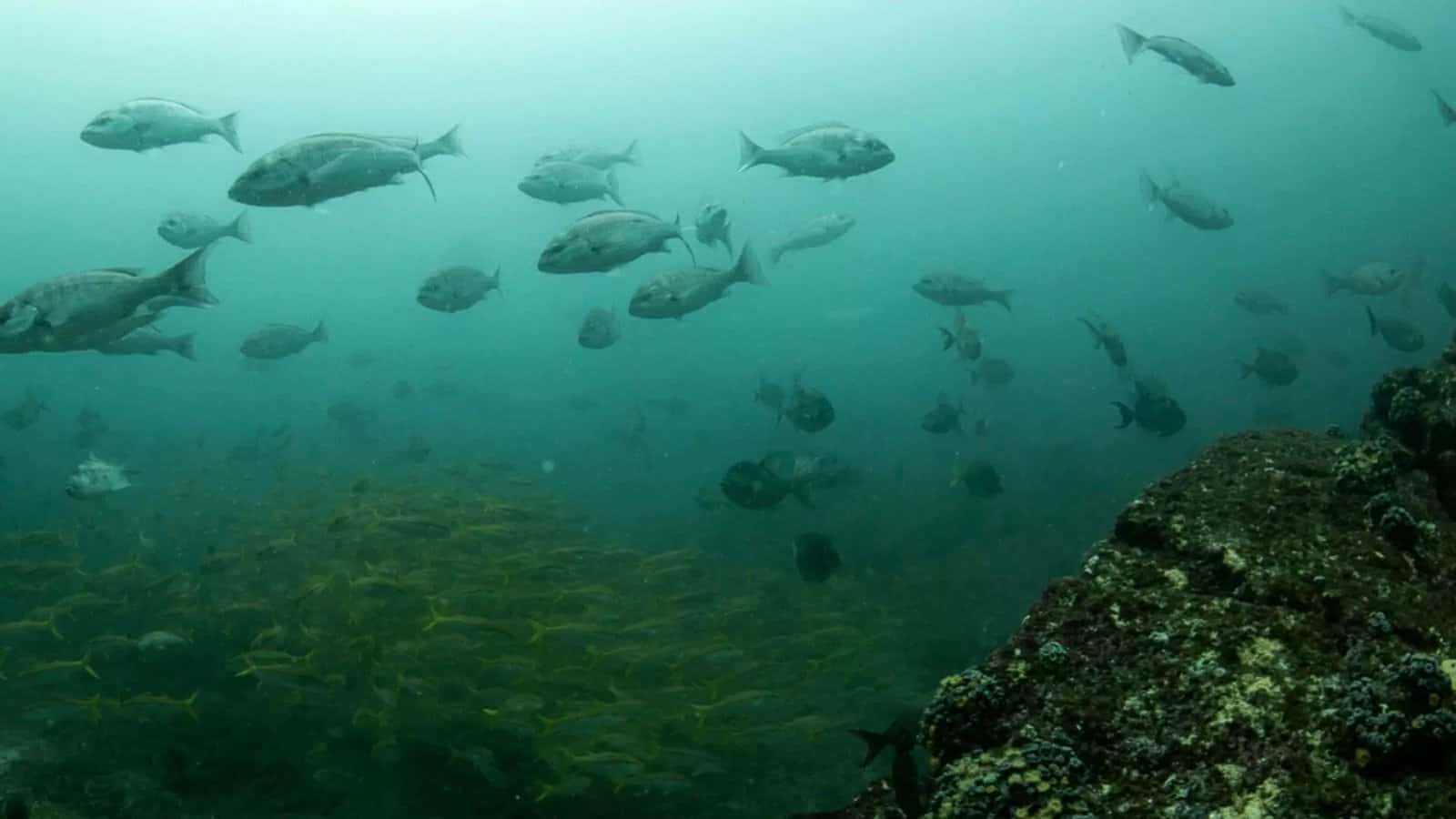
bull shark turtle rays lobsters nurse shark stingray whale shark angelfish bullshark coral crab eagle ray


